Leveraging African Human Rights Instruments and Jurisprudence: Reflections from the 15th NANHRI Biennial Conference in Yaoundé, Cameroon
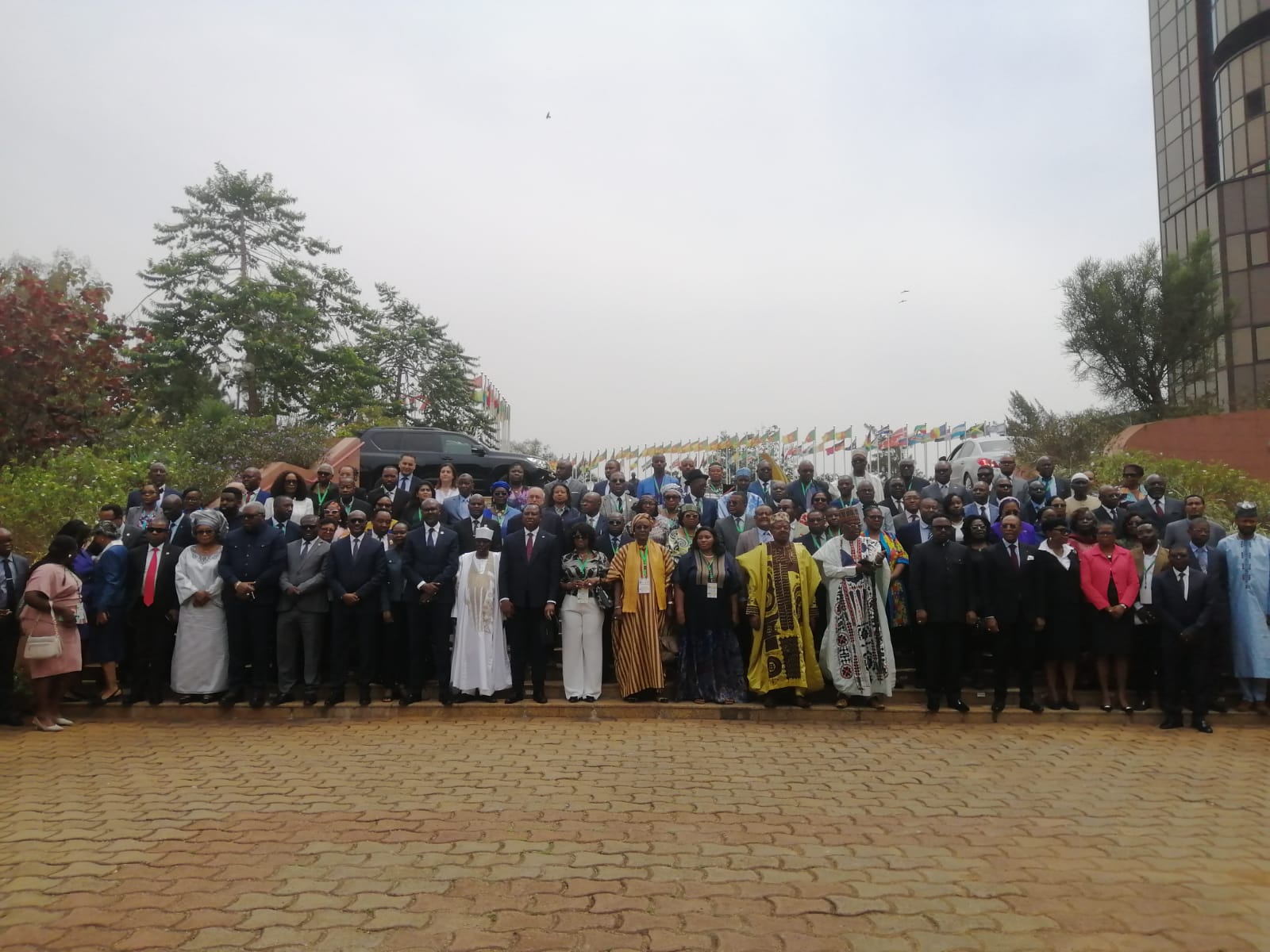
Yaoundé, Cameroon | 5–6 February 2026
Commissioner Dr. Wamalwa Dennis of the Kenya National Commission on Human Rights (KNCHR) joined fellow Commissioners, judicial officers, scholars, policymakers, and civil society leaders from across the continent at the 15th Biennial Conference of the Network of African National Human Rights Institutions (NANHRI), held in Yaoundé, Cameroon.
Convened under the theme “Original Aspects of African Human Rights Instruments and Jurisprudence: Leveraging African Human Rights Instruments and Jurisprudence for Strengthened Human Rights Promotion, Protection, and Implementation,” the Conference provided a timely platform for African National Human Rights Institutions (NHRIs) to reflect on the distinctiveness of Africa’s human rights architecture and to chart practical strategies for strengthening its domestic and regional impact.
Reaffirming Africa’s Unique Human Rights Architecture
The Conference opened with high-level remarks from continental and global human rights leaders, including representatives of NANHRI, the African Commission on Human and Peoples’ Rights, the Global Alliance of National Human Rights Institutions (GANHRI), and the Government of Cameroon. The keynote address by Lady Justice Suzanne Mengue Zomo, Judge of the African Court on Human and Peoples’ Rights, set the tone by underscoring the growing importance of African jurisprudence in shaping rights-based governance on the continent.
Deliberations on the first day explored the original aspects of African human rights instruments, particularly the African Charter on Human and Peoples’ Rights. Speakers highlighted the Charter’s emphasis on collective rights, duties of individuals, and socio-economic rights, noting its enduring relevance to Africa’s historical, cultural, and political realities.
Advancing Thematic Human Rights Agendas
Subsequent sessions examined key regional instruments, including the Maputo Protocol on the Rights of Women, the African Charter on the Rights and Welfare of the Child, and frameworks addressing disability, ageing, displacement, and youth. These discussions reinforced the need for NHRIs to move beyond normative recognition and focus on practical implementation through monitoring, advisory engagement, strategic litigation, and collaboration with state and non-state actors.
Commissioner Dr. Wamalwa Dennis played a central leadership role during the Conference, moderating the session on the Protocol on the Rights of Persons with Disabilities in Africa and the Protocol on the Rights of Older Persons in Africa. The session brought together experts from the African Disability Forum, HelpAge International, academia, national human rights commissions, and government. Discussions emphasized inclusion, dignity, and the urgent need for domestication and operationalisation of these protocols at national level.
Deepening Engagement with African Human Rights Jurisprudence
On the second day, the Conference focused on the jurisprudence of African human rights bodies, including the African Court on Human and Peoples’ Rights, the African Commission on Human and Peoples’ Rights, and the African Committee of Experts on the Rights and Welfare of the Child (ACERWC).
Dr. Wamalwa also moderated the session on the jurisprudence of the African Committee of Experts on the Rights and Welfare of the Child, which examined how child-rights decisions and general comments can be better utilised by NHRIs to strengthen national protection systems. The discussions underscored the importance of translating regional jurisprudence into practical tools for child protection, accountability, and law reform.
From Reflection to Action: The Yaoundé Declaration
A key highlight of the Conference was the group work sessions, where participants developed concrete strategies for leveraging African human rights instruments and jurisprudence in domestic contexts. These discussions culminated in the presentation and adoption of the Yaoundé Declaration and Action Plan, which sets out collective commitments and measurable actions for African NHRIs.
The Declaration reaffirms the strategic role of NHRIs in promoting, protecting, and implementing human rights through Africa-centred approaches, while strengthening collaboration with regional mechanisms such as the African Court, the African Commission, and ACERWC.
Looking Ahead
Reflecting on the Conference, Dr. Wamalwa Dennis noted that the Yaoundé deliberations reaffirmed the strength and relevance of Africa’s human rights system, while also highlighting the responsibility of NHRIs to ensure that these standards deliver tangible impact for rights holders on the ground.
The outcomes of the 15th NANHRI Biennial Conference will guide NHRI engagement across the continent in the coming years, anchoring human rights promotion and protection in Africa’s lived realities, shared values, and evolving jurisprudence.